Since I've been out of music education for a long time, I have been looking back at materials I used (on the Reasons and Roots: A Journal page) and attending some workshops to be current with efforts in music classrooms and virtual methods. I have been amazed at the creative uses of the Zoom screen I have seen and participated in as I see how music teachers are teaching right now.
Music educators are focusing on Equity, Diversity and Inclusion and the first American Orff Schulwerk Association Virtual Conference On November 13 and 14 led the effort forward.
AOSA Virtual Symposium


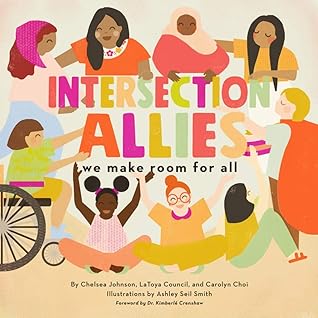


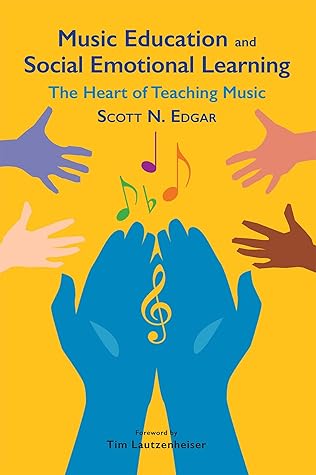


 (Session descriptions are screenshots)
During the closing session, we were put into small groups and asked to set a poem with sound, movement and visual elements. The results were amazing and I wish I could share some of the screen captures with you, but privacy issues do not allow me to do that.


My group's poem, "Tambourine" performed in the closing session is part of this collection:
Rethinking schools, rethinking learning - kappanonline.org 2020
In short, we argue that a 21st-century science of learning must rest on four key propositions. Learning is:
- Rooted in our bodies and brains, which (according to a growing body of scientific evidence) can never be separated from our social and cultural practices.
- Integrated with every other aspect of human development, including emotion, cognition, and the formation of identity.
- Shaped through the culturally organized activities of everyday life, both in and out of school and across the life span.
- Experienced in our bodies and coordinated through social interactions with the world and others.
Carl Orff 1964:
"Elementary music is never music alone but forms a unity with movement, dance and speech."It is music that one makes oneself, in which one takes part not as a listener but as a participant. It is unsophisticated, employs no big forms and no big architectural structures, and it uses small sequence forms.
"Elementary music is near the earth, natural, physical, within the range of everyone to learn it and to experience it, and suitable for the child.
"When does erosion occur in Nature? When the land is wrongly exploited; for instance, when the natural water supply is disturbed through too much cultivation, or when for utilitarian reasons, forests and hedges fall as victims of "drawing-board mentality"; in short, when the balance of nature is lost by interference.
"In the same way I would like to repeat: Man exposes himself to spiritual erosion if he estranges himself from his elementary essentials and thus loses his balance.
"Just as humus in nature makes growth possible, so elementary music gives to the child powers that cannot otherwise come to fruition.
"It must therefore be stressed that elementary music in the primary schools should not be installed as a subsidiary subject, but as something fundamental to all other subjects.
Many music classrooms are current in efforts for Equity, Diversity and Inclusion and this can be a focus area for curriculum change. Often elementary music teachers meet with all of the students in the school and could provide a framework for moving forward in the work of the committee.
THE MISSION
The mission of the Peninsula School District Music Staff is to engage all students in exploring and developing an understanding and appreciation of music through a comprehensive program that is based on the National Standards.

Our Position
A well-rounded and comprehensive music education program, as envisioned in the 2014 National Music Standards, should exist in every American school; should be built on a curricular framework that promotes awareness of, respect for, and responsiveness to the variety and diversity of cultures; and should be delivered by teachers whose culturally responsive pedagogy enable them to successfully design and implement such an inclusive curricular framework.
American Orff Schulwerk Association Statement:
As Orff Schulwerk educators, we are charged with teaching not just music and movement, but also respect and inclusion. As such, AOSA recognizes and denounces actions that undermine this work.

AOSA denounces injustices imposed on any communities of color; and, particularly, we condemn the violence against Black communities in our country. We reaffirm our commitment to supporting who we serve which includes Black teachers,
Black students, and Black families. We believe Black Lives Matter.
AOSA condemns the systemic racial inequities of our country as we evolve in our awareness of who AOSA is and what that represents. AOSA calls on membership to support all the students they teach along with their families and their communities, inside and outside of the music classroom.
AOSA’s Mission, Core Values, and Diversity and Inclusion Statement are not just words on a page, but guides in the direction of the programs, services, and activities we offer our members and the music education world. We continue to reflect on our organizational practices in order to implement policies that dismantle injustice within our organization. AOSA respects and affirms human dignity.
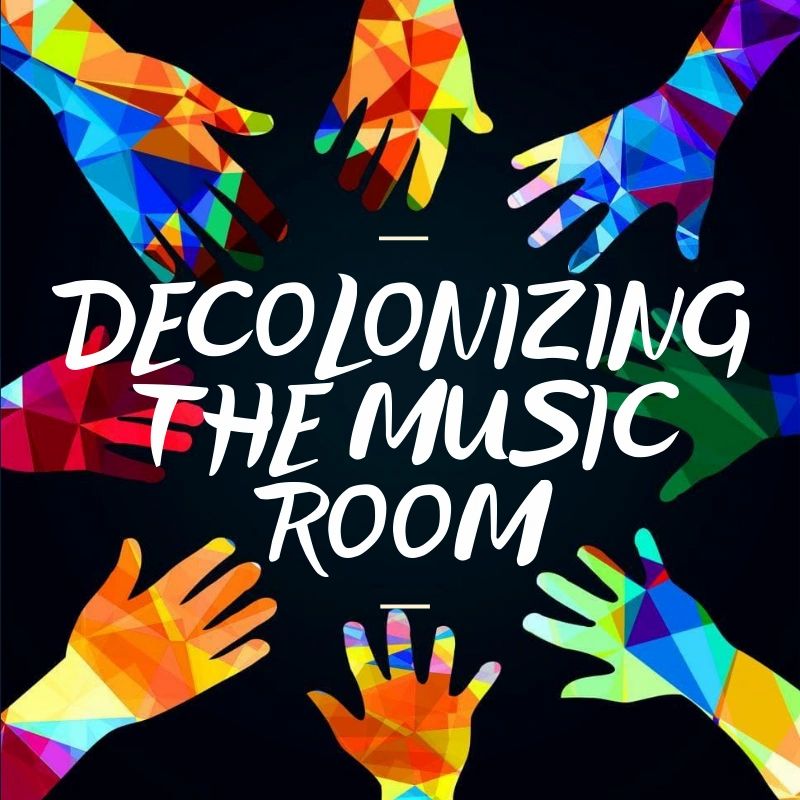
This site has a wealth of resources including:
We Rise: A Movement Songbook – Poor People's Campaign
Music by Black Composers - Home Page
Jack Dappa Blues Radio & TV: HOME
Atlanta Black Star
12 Childhood Nursery Rhymes You Didn't Realize Were Racist
April 2021 Week of Action
8. Revolutionary Black Arts - Principle: Intergenerational
During National Library Week we seek to center the classic contributions of Black writers and artists across the generations: Zora Neale Hurston, Faith Ringgold, Alma Thomas, Augusta Savage, Jasmine Mans. How are the themes and radical visions that they brought to their art reflected in your classrooms and communities? How can young people expand on these legacies?
More Resources
- Principle: Intergenerational
Materials from Other Recent Workshops


6 Ways to be an Antiracist Educator


Cultural Appropriation Versus Cultural Appreciation: Understanding the Difference by Karen Harper

(Slides are screenshots)
An Example: Knock Jim Crow

In the write up above, Bessie Jones writes that the "Islanders, however, clearly regard this as a pleasurable dance, probably about birds." This song is an example of how easy it is to excuse using material without considering its deeper and hurtful meanings. I understand now that changing crow to Joe was simply a way to hide the problem, not a way to make it ok. This book is still suggested on the Decolonizing the Music Room site for the other games and songs, but due diligence should be put into researching where there's any question about suitability.
Diverse Children’s Literature in the Music Room
Articles from Rethinking Multicultural Education: Teaching for Racial and Cultural Justice by Wayne Au are recommended to guide this practice.

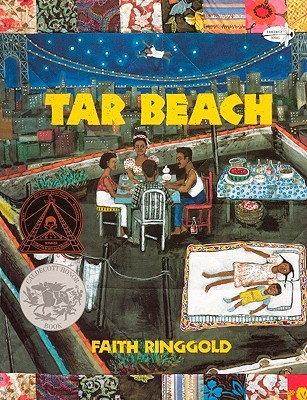
Ringgold’s story quilts were on display at this show and were, of course, impressive in person. Some of the stories and other works were depicted in her books for children and were excellent books to use for music instruction.
Books by Faith Ringgold and Complete Book Reviews
Faith Ringgold – If One Can Anyone Can All you Gotta Do Is Try

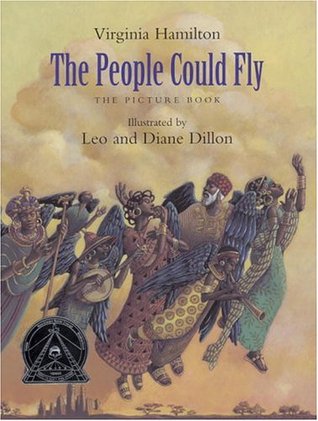

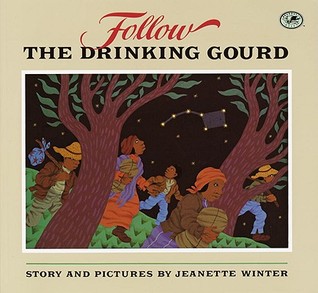


My first experience with McDermott’s folktales was learning to set Arrow to the Sun to music at a workshop at the beautiful setting of many of Georgia O’Keefe’s paintings, Ghost Ranch - Education & Retreat Center - Abiquiu, NM. McDermott was a white author, but explored folklore around the world. There was/is some scrutiny from different cultural groups (see more about appropriation on the Decolonize page), especially for this book and it’s religious story, but also support for some of his work still exists today. My husband also taught general music and we made our best effort to use authentic music with these texts and had visited the Taos Pueblo and purchased recordings directly from a musician there.
And this post includes other examples and processes for younger children, but does not site any multicultural books:
Literature in the Music Classroom #1, Pre-K-2
Building Empathy Through Elemental Music and Movement

No comments:
Post a Comment